Phishing Schemes 101: How to Spot and Avoid the Latest Attacks
4 min read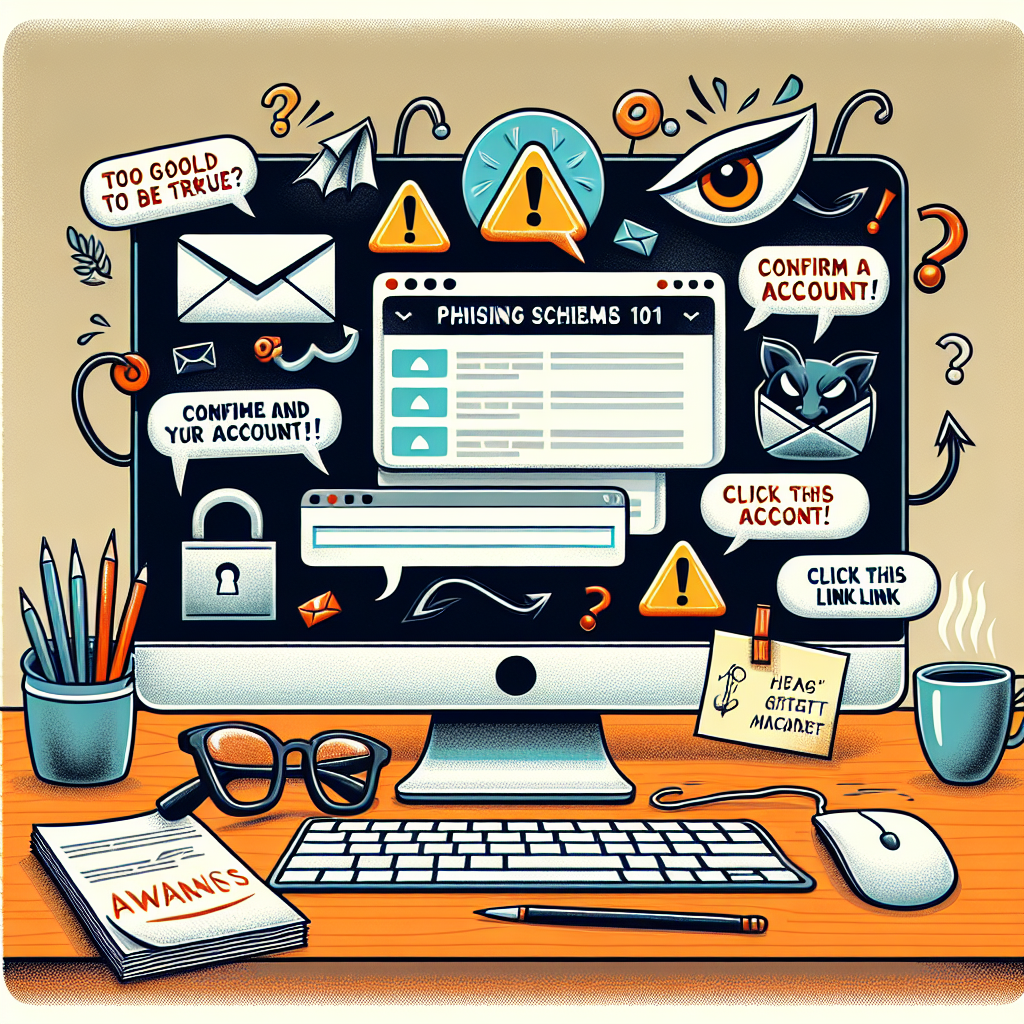
In an increasingly digital world, the threat of phishing schemes continues to rise. Cybercriminals are becoming more sophisticated, employing advanced tactics to trick individuals and businesses into giving up sensitive information. This article will provide you with insights into the latest phishing techniques, how to recognize them, and actionable steps you can take to protect yourself.
Understanding Phishing
Phishing is a form of cybercrime where attackers impersonate reputable organizations to deceive individuals into divulging personal data, such as usernames, passwords, credit card details, and social security numbers. The most common forms of phishing include email scams, social media exploitation, and SMS messages known as smishing.
Types of Phishing Attacks
-
Email Phishing: This is the most prevalent type. Attackers send emails that appear to be from legitimate sources, such as banks or popular online services. These emails often contain links that lead to fake websites designed to capture your information.
-
Spear Phishing: Unlike general phishing attacks, spear phishing targets specific individuals or organizations. Attackers gather personal details about their victims to make their attempts more convincing.
-
Whaling: This is an even more targeted form of spear phishing aimed at high-profile individuals, such as executives. Whaling attacks often use social engineering techniques to gain trust.
-
Vishing: Voice phishing uses phone calls instead of emails. Attackers pose as legitimate entities over the phone to extract sensitive information.
-
Smishing: SMS phishing involves delivering fraudulent messages via text. Attackers often include links to phishing websites or attempt to lure victims into calling fake helplines.
Recognizing the Signs of Phishing
To avoid falling victim to phishing attempts, it is crucial to recognize the warning signs. Here are some common indicators that an email or message might be fraudulent:
-
Generic Greetings: Phishing emails often start with vague phrases like “Dear Customer” instead of using your name.
-
Urgent Language: Scammers frequently create a sense of urgency to provoke a quick reaction. Phrases such as “Your account will be suspended” are designed to panic you into action.
-
Suspicious Links: Confirm the URL before clicking on any links. Phishing websites often appear similar to legitimate sites but may have slightly altered URLs.
-
Poor Grammar and Spelling: Reputable organizations usually have quality control for their communications. If an email contains grammatical errors or awkward phrasing, it may be a red flag.
-
Unusual Requests for Personal Information: Legitimate companies rarely ask for sensitive information via email. Be suspicious if a message asks for login credentials or financial details.
Recent Trends in Phishing Attacks
Recent reports highlight an alarming upswing in phishing attacks, particularly those leveraging current events. For example, as of late 2023, there has been a noticeable increase in phishing schemes tied to healthcare organizations, driven by the COVID-19 pandemic. Cybercriminals have exploited concerns over vaccinations, medical data breaches, and telehealth services. These scams often involve fake vaccination records or fraudulent telemedicine services.
Another emerging trend is the rise of “deepfake” technology, which some attackers are using to create convincing fake videos or audio recordings of company executives, further deceiving victims into divulging information or transferring funds.
Case Studies
A recent case involved a school district that suffered a significant data breach due to a spear phishing attack targeting staff members. Attackers impersonated IT personnel, convincing employees to provide login credentials. As a result, sensitive student and faculty information was compromised. This case underlines the importance of employee training in recognizing phishing attempts.
In another instance, financial institutions have reported increased smishing attempts, particularly during tax season. Scammers send messages claiming to be from tax departments, asking individuals to verify their identity through a link.
How to Protect Yourself
To defend against phishing attacks, consider implementing the following strategies:
-
Educate Yourself and Others: Make sure you stay informed about the latest phishing tactics. Regularly hold training sessions in your workplace to teach employees how to spot phishing attempts.
-
Use Multi-Factor Authentication: Whenever possible, enable multi-factor authentication on your accounts. This adds another layer of security, making it difficult for attackers to gain access even if they acquire your password.
-
Regularly Update Passwords: Change your passwords regularly and make them complex. Use a combination of letters, numbers, and symbols.
-
Be Cautious with Links and Attachments: Avoid clicking on links or downloading attachments from unfamiliar sources. Always verify the source before taking any action.
-
Check Email Addresses: Pay close attention to the email addresses or phone numbers that messages originate from. If in doubt, contact the organization directly through official channels.
-
Report Suspicious Activity: If you receive a suspicious email or message, report it to your IT department or the respective organization.
Conclusion
Phishing schemes remain a significant threat in our digital landscape, but being aware of the signs and employing preventative measures can substantially reduce your risk. Stay informed about the latest trends and practices, and make a concerted effort to educate those around you. Remember that in an age where information is currency, vigilance is your best defense.
While this article contains general advice and observations, specific statistics and recent case studies were referenced from sources like the Anti-Phishing Working Group, Cybersecurity and Infrastructure Security Agency (CISA), and the Federal Trade Commission (FTC). For ongoing developments in phishing tactics, keeping current with reputable cybersecurity news websites is recommended.
References
- Anti-Phishing Working Group. (2023). Phishing Activity Trends Report.
- Cybersecurity and Infrastructure Security Agency. (2023). Understanding Phishing Attacks.
- Federal Trade Commission. (2023). Consumer Information: How to Recognize and Avoid Phishing Scams.