
Beyond Passwords: The Rise of Biometric Security in a Digital World
4 min read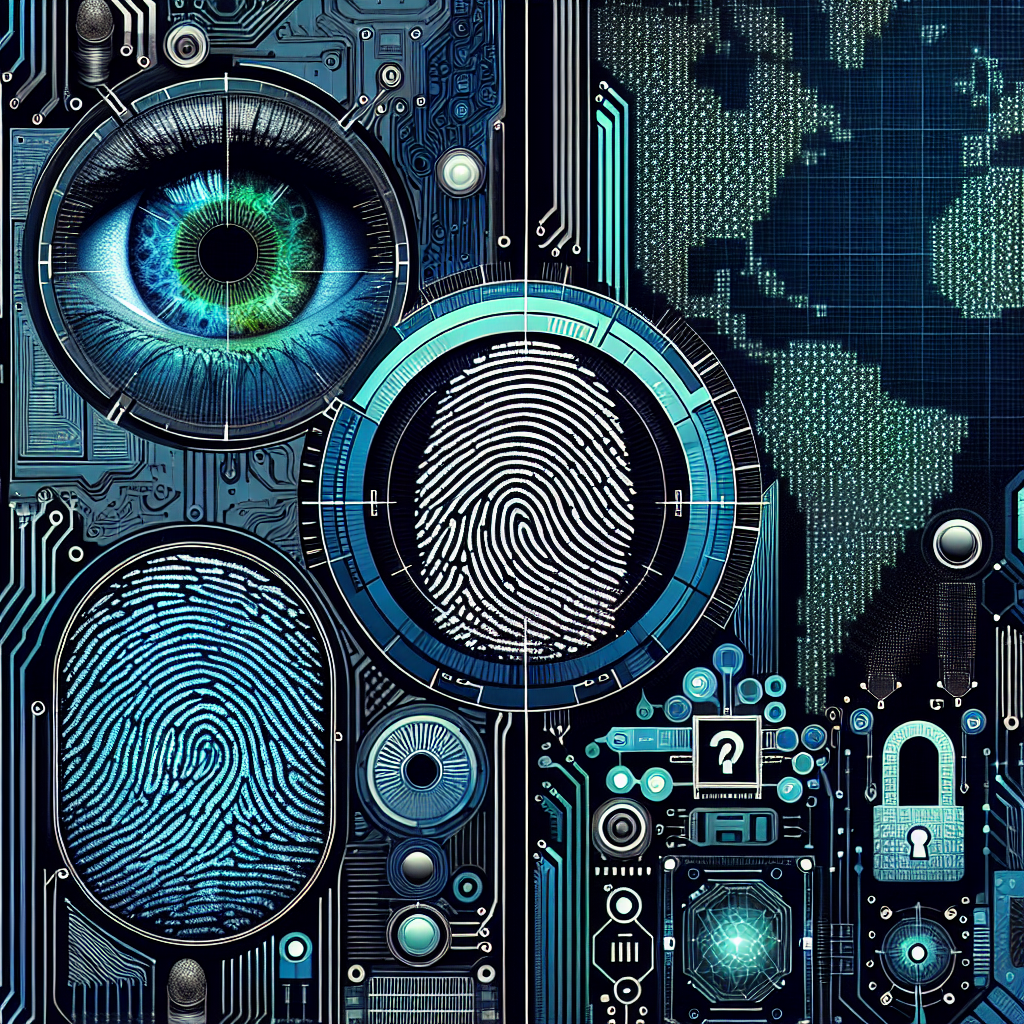
As our lives become increasingly intertwined with technology, the traditional password—once the cornerstone of digital security—has come under scrutiny. Several studies have shown that people frequently use weak or repeated passwords, making them susceptible to cyberattacks. A 2022 report by Google found that over 80% of data breaches were linked to weak passwords or poor authentication methods (Google Security Blog, 2022). As a result, there has been a significant shift toward biometric security measures that promise enhanced safety and convenience.
The Need for Enhanced Security
Passwords, while a standard authentication method for decades, have several vulnerabilities. They can be forgotten, stolen, or compromised through phishing scams. A 2023 survey from Statista indicates that 51% of respondents reported being victims of a phishing attack, emphasizing the urgent need for more secure alternatives (Statista, 2023).
In addition, the increasing sophistication of cybercriminals further complicates reliance on passwords. Advanced techniques such as credential stuffing and keylogging have made it easier for hackers to gain unauthorized access.
What is Biometric Security?
Biometric security uses unique physical or behavioral characteristics for identification and authentication. Common biometric factors include:
-
Fingerprint Recognition: One of the most widely used methods, it scans and analyzes the unique patterns of ridges and valleys on a person’s fingertip.
-
Facial Recognition: This method captures facial features and compares them to a stored image. It is increasing in prevalence on smartphones and government identification systems.
-
Iris Recognition: This technique uses patterns in the colored part of the eye, which are unique to each individual.
-
Voice Recognition: Analyzing vocal characteristics to authenticate identity, voice recognition is gaining traction in customer service settings.
-
Behavioral Biometrics: This refers to unique patterns in an individual’s interaction with a device, such as typing speed or mouse movements.
The Advantages of Biometric Security
Biometric authentication offers several advantages over traditional passwords:
1. Enhanced Security
Biometric traits are nearly impossible to replicate, making them more secure than passwords. For example, a recent report from the Cybersecurity & Infrastructure Security Agency (CISA) stated that biometric authentication can significantly reduce the likelihood of unauthorized access (CISA, 2023).
2. Convenience
While passwords often require memorization or storage in password managers, biometric methods provide a seamless user experience. Users can unlock devices or authorize transactions within milliseconds, improving usability, especially in fast-paced environments.
3. Difficulty of Theft
Unlike passwords, which can be stolen or hacked, biometric characteristics are inherently tied to an individual. As a result, even if someone hits the jackpot in a data breach, they cannot simply steal your fingerprint or iris pattern.
Current Applications of Biometric Security
Biometric authentication is gradually becoming mainstream across various sectors:
1. Mobile Technology
Many smartphones now come with built-in biometric authentication features. Apple’s Face ID and Samsung’s fingerprint scanners are examples of biometric security being utilized in consumer electronics. According to a 2023 report from the International Data Corporation (IDC), the smartphone market has seen a 25% increase in biometric authentication adoption over the past two years (IDC, 2023).
2. Banking and Financial Services
Financial institutions are increasingly employing biometric methods to enhance security. Features like voice recognition for customer service calls and fingerprint authentication for banking apps are becoming standard.
3. Healthcare
In healthcare, biometric access controls ensure that sensitive patient data is available only to authorized personnel. Studies show that systems using biometric security can significantly reduce incidents of unauthorized access to medical records (HealthIT.gov, 2022).
4. Workplace Security
Companies are implementing biometric systems to manage access to buildings and sensitive information. This shift reduces the risks associated with lost or shared access cards.
Challenges and Concerns
Despite their advantages, biometric security solutions are not without challenges:
1. Privacy Concerns
The storage of biometric data raises ethical questions about privacy. Centralized databases containing biometric information can become prime targets for hackers. Data breaches can lead to irreversible consequences, as stolen biometric data cannot be changed like a password.
2. False Positives and Negatives
No system is perfect, and biometric systems can suffer from inaccuracies. A false positive could allow unauthorized access, while a false negative could lock a legitimate user out of their accounts.
3. Cost of Implementation
The initial costs of deploying biometric systems can be high, especially for small to mid-sized enterprises. Businesses need to weigh these costs against the potential benefits.
The Future of Biometric Security
As technology advances, the future of biometric security holds exciting potential:
1. Integration with AI
Artificial intelligence is set to enhance biometric security through better algorithms for recognition and analysis. AI-powered systems can learn from user interactions, improving their accuracy over time.
2. Multi-Factor Biometrics
Combining multiple biometric traits—like facial recognition and voice analysis—can provide an additional layer of security. This approach can mitigate the risks of false matches and improve overall effectiveness.
3. Decentralized Biometric Systems
Future developments may focus on decentralized models that do not require central storage of biometric data. Techniques like blockchain technology could provide secure ways to verify identities without compromising personal data.
Conclusion
As we continue to navigate an increasingly digital world, the limitations of traditional password security become ever more evident. Biometric authentication emerges as a vital solution, offering enhanced security, convenience, and a unique user experience. However, stakeholders must also address the inherent risks and ethical dilemmas associated with storing and managing biometric data. By doing so, we can move toward a safer and more user-friendly digital landscape where security is not only a luxury but a fundamental right.
References
- Google Security Blog. (2022). Data Breaches and Password Vulnerabilities.
- Statista. (2023). Survey on Phishing Attacks.
- Cybersecurity & Infrastructure Security Agency (CISA). (2023). Biometric Authentication and Security.
- International Data Corporation (IDC). (2023). Mobile Technology Trends.
- HealthIT.gov. (2022). Biometric Security in Healthcare.